April 9, 2026
The security of business properties is a primary concern for many business owners due to increasing threats and potential liabilities. Among various security measures, commercial fencing emerges as one of the most effective solutions for physical security. A well-implemented fencing system not only fortifies your property against unauthorized entry but also provides peace of mind. With the right choice of design and materials, commercial fencing becomes an integral part of your security strategy.
Basics and General Ideas
Commercial fencing is primarily constructed to serve as a robust barrier against intrusion, offering security to business premises. It is designed to meet the specific security needs of commercial properties by limiting accessibility. The basic purpose of commercial fencing is to protect assets, which may include expensive equipment, inventory, and intellectual property housed within the premises. Besides security, fencing offers other benefits such as privacy, delineating property boundaries, and enhancing the visual appearance of a property. With a well-thought-out strategy, businesses can utilize fencing to effectively secure their properties without compromising aesthetics.
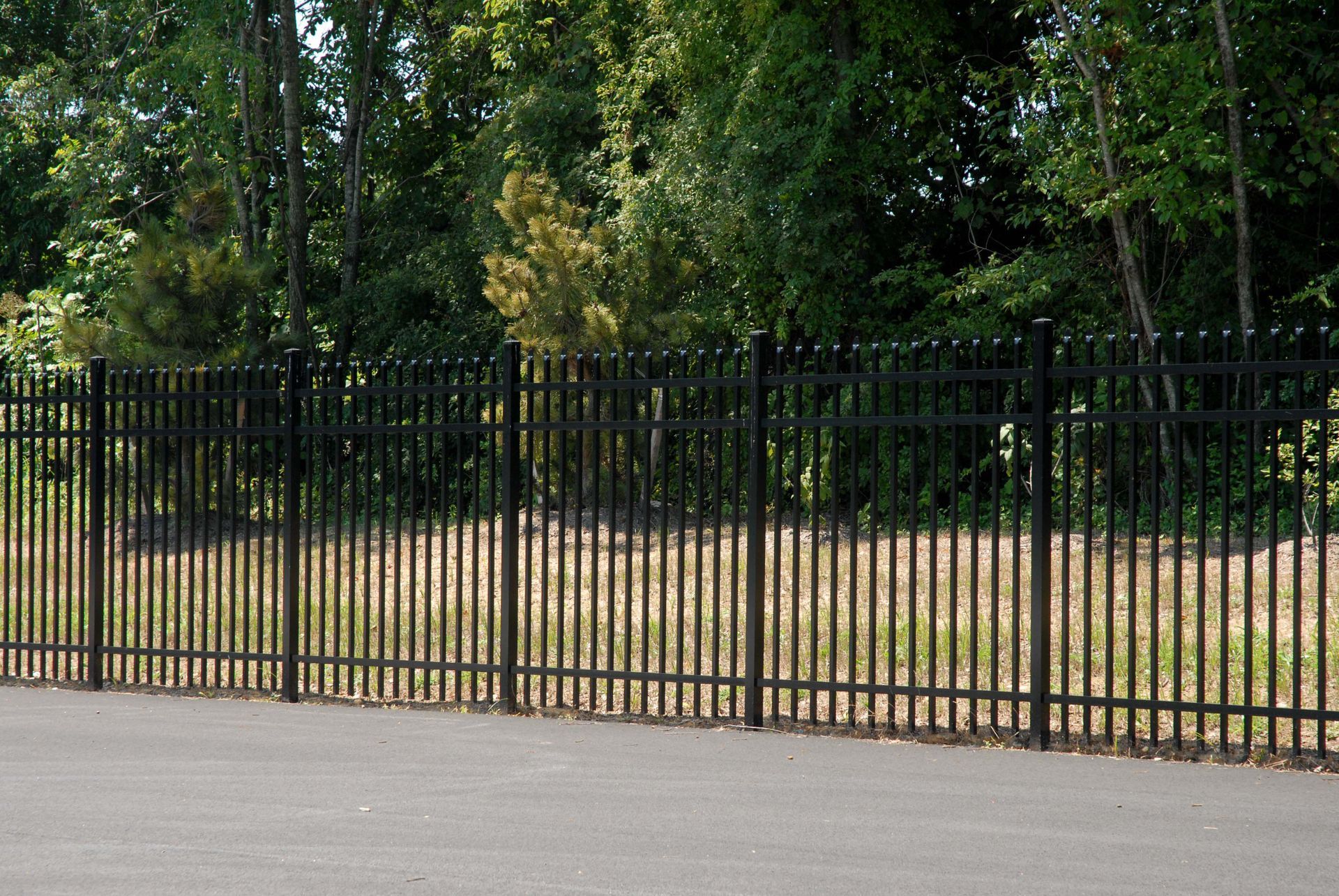
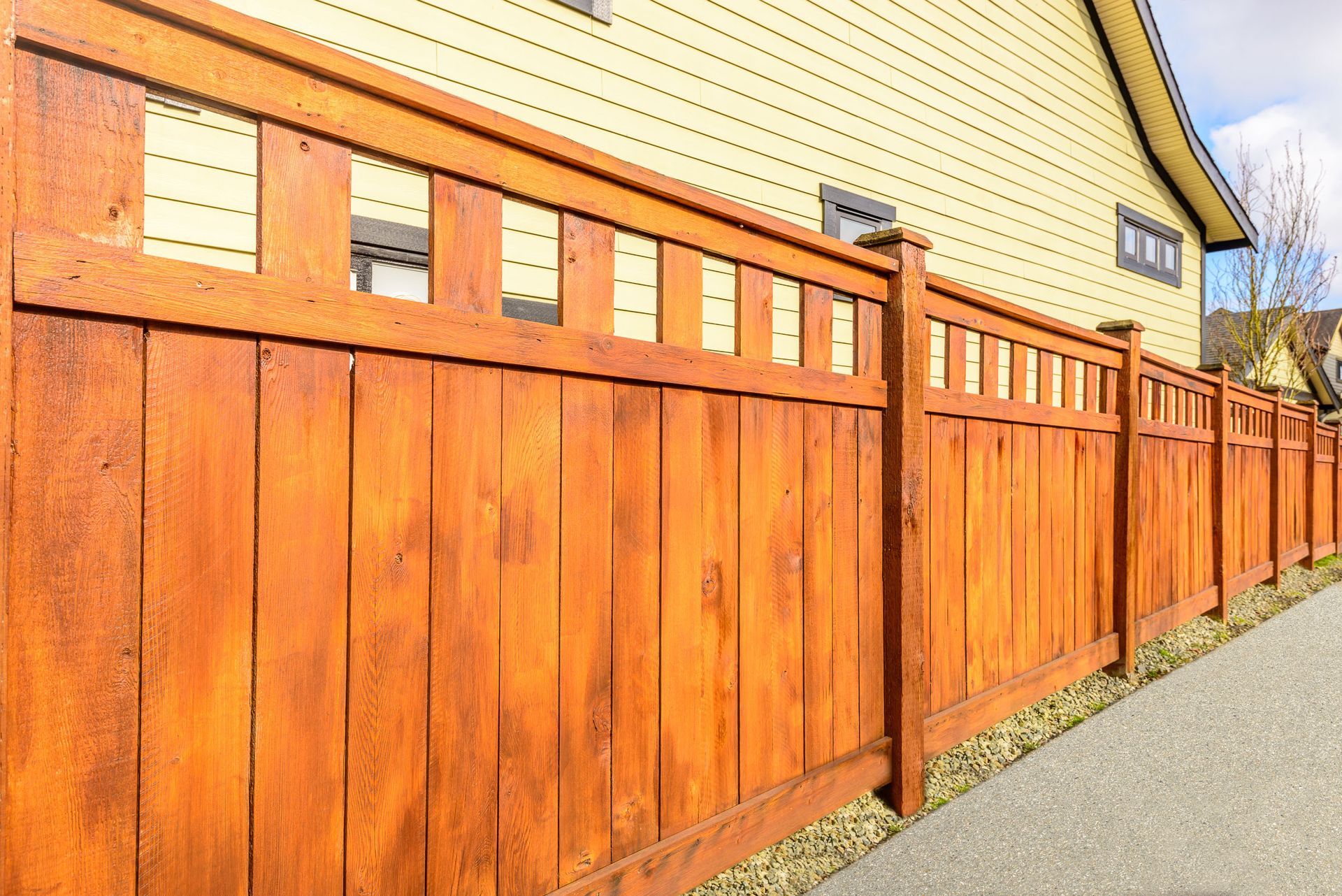
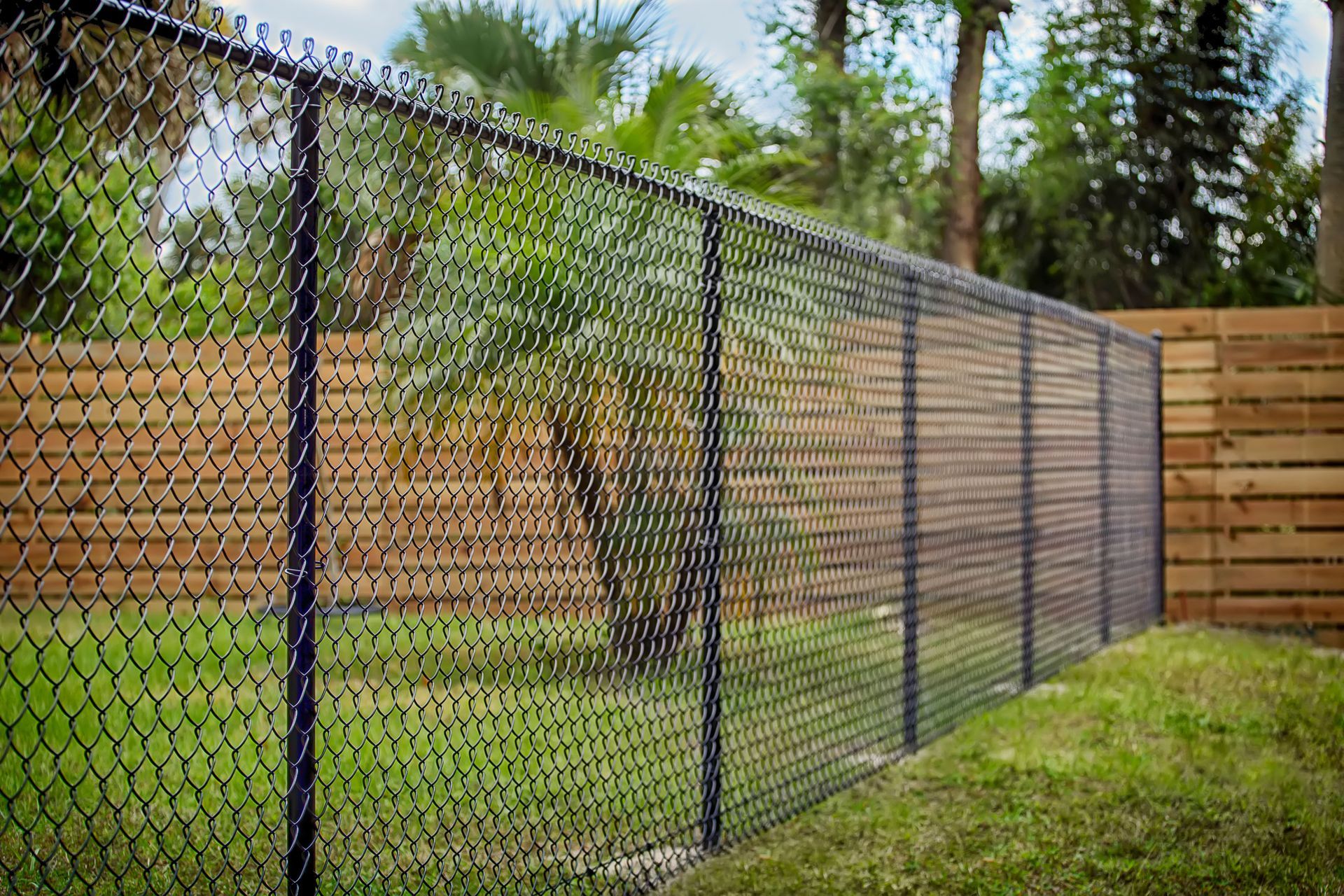
When it comes to commercial fencing, businesses have a variety of materials and styles to choose from. Chain-link fences are common due to their affordability and simplicity. Other options include wrought iron and steel, which provide more robust protection and a grander aesthetic appeal. Vinyl fencing is another choice, offering low maintenance with a clean look, suitable for environments that require minimal upkeep. Each of these types can be tailored to match the specific security needs and aesthetic preferences of a business.
The installation and maintenance costs of commercial fencing vary widely based on materials, complexity, and environmental factors. Labor costs are one of the key components, with professional installation often representing a significant portion of the total cost. High-end materials like wrought iron or higher-quality steel might incur higher initial costs but offer durability and lower maintenance expenditures. On the other hand, economical options such as chain-link can offer budget-friendly installation and maintenance. Businesses must weigh these factors to determine the most cost-effective solution for their specific security needs.
Security and Protection
Commercial fencing serves as a visual and physical deterrent to potential trespassers by projecting an image of security and vigilance. Its presence can often discourage unauthorized entry, as it signals to would-be intruders that the property is protected. This deterrent effect is heightened when combined with signage and security cameras that further communicate surveillance. Even simple chain-link fences provide a durable first layer of defense against casual intruders.
A meticulously planned fencing system amplifies the effectiveness of security cameras and other surveillance technologies. The controlled and limited areas prevent blind spots, allowing cameras to focus on fewer entry points for heightened monitoring. Fences provide defined perimeters where advanced technologies like motion detectors can be installed, enhancing real-time surveillance and response capabilities. This synergy between physical barriers and technology creates a fortified security environment.
Fencing professionalizes the management of entry and exit points, allowing businesses to control who gains access to their property. Access can be regulated with gates equipped with locks, electronic systems, or security personnel, depending on the level of security required. These access points are critical in maintaining order and combating unauthorized personnel from entering secure areas. Business operations benefit from such controlled environments, enabling smoother logistics and safer interactions.
Privacy and Aesthetic Appeal
Balancing functionality and aesthetic appeal is a primary consideration when designing commercial fencing. Good designs ensure that security doesn't outweigh the visual appeal, thereby aligning with the business's branding and professional ethos. Various materials and styles can be chosen to complement the aesthetics of the property, creating an inviting yet secure atmosphere. Additionally, thoughtful design can cater to privacy demands, facilitating spaces where confidential activities unfold.
Fencing is a critical tool in demarcating private and restricted areas within a commercial property. Such strategic demarcations cater to privacy needs, allowing businesses to shield sensitive operations from prying eyes and unauthorized access. Whether it's an area designated for outdoor meetings, storage yards, or confidential operations, fences provide the right balance to delineate clearly defined spaces. The use of opaque or tall fences prevents visual intrusion while establishing authoritative boundaries.
Combining fencing with landscaping features enhances a property's aesthetic appeal while not compromising security. Thoughtful integration of greenery helps soften the look of fencing, creating a more welcoming environment for both employees and visitors. Furthermore, planting trees and shrubs can increase privacy, adding an additional layer of concealment and noise reduction. An aesthetically pleasing property can boost a company's image and contribute to a more enjoyable and productive work environment.
Durability and Long-Term Investment
Durability is a key factor when selecting fencing materials, as a strong fence offers prolonged security benefits. For instance, chain-link fences, according to Bob Vila, can last around 20 years, offering a reliable, low-maintenance option. Steel and wrought iron provide greater durability and longevity, ideal for areas with severe weather conditions. These materials are resistant to damage and decay, ensuring that businesses don't face frequent replacements or repairs. Selecting materials with proven durability not only secures the property but safeguards the financial investment made in fencing.
Investing in quality fencing is a cost-effective measure yielding high returns by way of security, property valuation, and reduced liabilities. The upfront costs may be significant, but the long-term savings on maintenance and repairs prove financially beneficial. Quality fencing contributes to property value improvement and enhances resale prospects by ensuring the property remains secure. Effective fencing prevents vandalism, theft, and potential liability cases, further reducing unexpected expenditure.
Understanding maintenance requirements is essential for ensuring the longevity and effectiveness of a commercial fence. Different materials demand varying degrees of upkeep. For example, wooden fences require regular treatments to prevent decay, while metal needs protection against rust and corrosion. Regular inspections and maintenance tools, such as pressure washing and painting, extend a fence's life and preserve its appearance.
Industry Specific Benefits and Solutions
Retail and shopping centers demand specific fencing solutions catering to security, customer approachability, and brand representation. These environments require resilient yet inviting barriers that protect inventory without deterring potential customers. Fencing at retail locations may include additional features like vehicle barriers or lift gates for controlled traffic flow. Strategically placed fencing with visibility permits security personnel to efficiently monitor entrances while simultaneously allowing clear visibility of the storefronts.
Manufacturing and industrial sites have unique fencing requirements focused on heightened security due to potential hazards within the area. Here, fencing plays a crucial role in safety, preventing unauthorized personnel from accessing secure or dangerous areas. Industrial-grade materials like steel or aluminum offer durability, suitable for harsh environmental conditions often found in such settings. Fencing solutions may also include reinforced barriers to withstand industrial activities and protect valuable equipment.
For office complexes and corporate spaces, fencing must harmonize with the site's architectural style, providing security while enhancing reputation and aesthetics. The balance between public accessibility and adequate security presents a unique challenge in designing corporate fencing. Solutions like decorative fencing using aesthetically appealing materials convey prestige and professionalism to visitors and employees alike. These designs must integrate seamlessly into the landscape, ensuring unobstructed views and enhancing internal and external property aesthetics.
Overall, commercial fencing stands out as one of the most comprehensive solutions for maintaining the security and aesthetic appeal of business properties. It seamlessly integrates into multifaceted security strategies, protecting assets, providing privacy, and enhancing the overall property value. By aligning with cutting-edge technologies and sustainable practices,
commercial fencing evolves with industry trends, anticipating future challenges. To learn more about what the right fencing options can do for your business, reach out to Albuquerque Fence Company, and we'll be happy to address your questions, comments, or concerns.